
The Bitaale School Construction Project, implemented by CERSD, is improving access to quality education in underserved areas of Bitaale, Somalia.
The initiative focuses on constructing safe classrooms, sanitation facilities, and water systems, along with providing essential school furniture.
Once completed, it will boost enrollment, enhance student retention, and strengthen long-term community resilience.

Education and Awareness Programs
Bitale School Construction Project – Completion Report
Location: Bitale, Mudug Region, Galmudug State, Somalia
Completion Date: January 2025
Project Overview
The Bitale School Construction Project was implemented to improve education opportunities for children in Bitale. With the support from our partner Living Hope Foundation and contributions from the Somali diaspora, the project has transformed the learning environment for approximately 100 students.
Project Objectives
Provide a safe, modern, and supportive learning environment for students.
Expand access to quality education within the community.
Enhance students’ academic performance through improved infrastructure and technology.
Project Achievements
Infrastructure Improvements
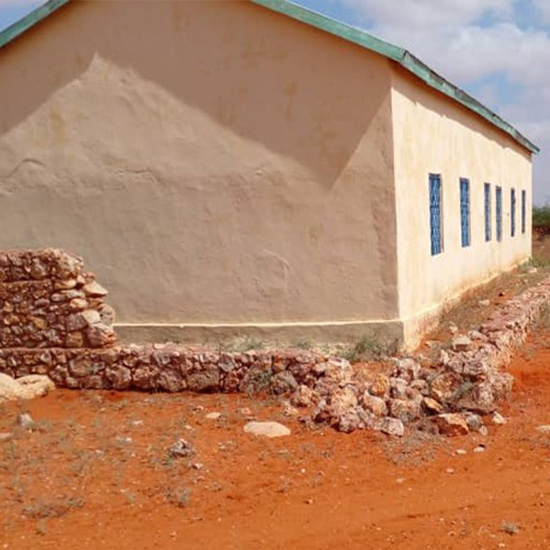
New Classroom: One spacious classroom (19 ft x 22 ft) built to accommodate more students.
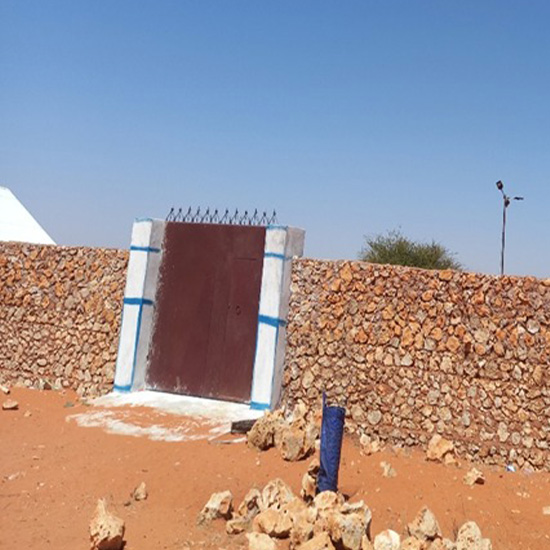
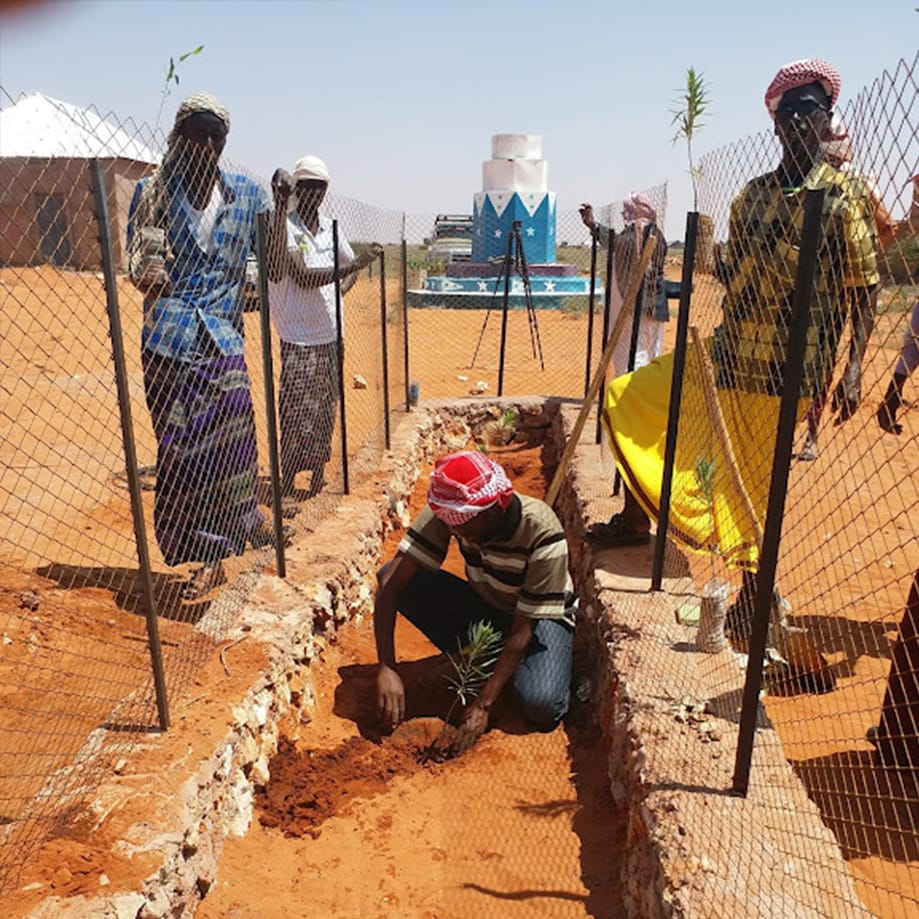
Boundary Wall: A 200 ft x 160 ft wall constructed to enhance safety and privacy.
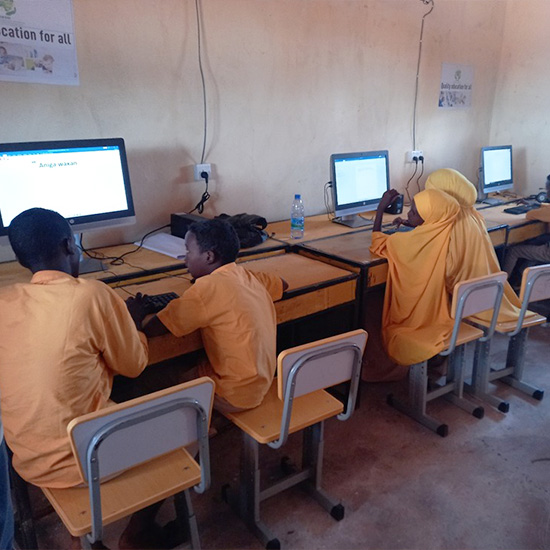
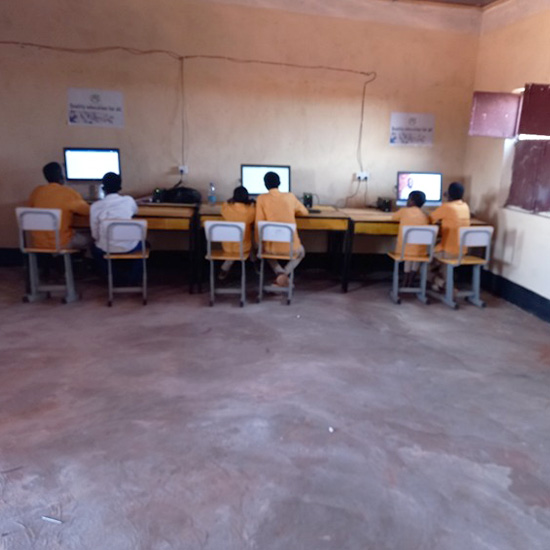
Solar-Powered Technology: Installation of solar panels to power computers and classroom lighting, supporting both day and night classes.
Educational Impact
Increased student enrollment and attendance.
Improved learning environment, enabling better focus and engagement.
Introduction of computer classes, providing students with essential digital skills.
Night classes for adults made possible through solar-powered lighting.
Community Support
The project benefitted greatly from the active support of the Somali diaspora, who provided both financial and moral backing. This collaboration has strengthened ties between the community and its supporters abroad.
Sustainability Measures
To ensure long-term benefits:
A School Maintenance Committee has been established to oversee ongoing upkeep.
Community awareness programs are planned to encourage local involvement and ownership.
Future plans include additional facilities such as a sports ground and resources for practical learning.
Funding & Support
Living Hope Foundation: $15,000
Diaspora Contributions: $2,575.30
Total Project Cost: $17,575.30
Conclusion
The Bitale School Construction Project has successfully created a safer, modern, and more inclusive learning environment. By enhancing school infrastructure, introducing technology, and expanding educational opportunities, this project is a meaningful step toward improving education in Bitale.
We thank our donors, partners, and supporters for making this project possible. Together, we are empowering the next generation of students in Somalia.
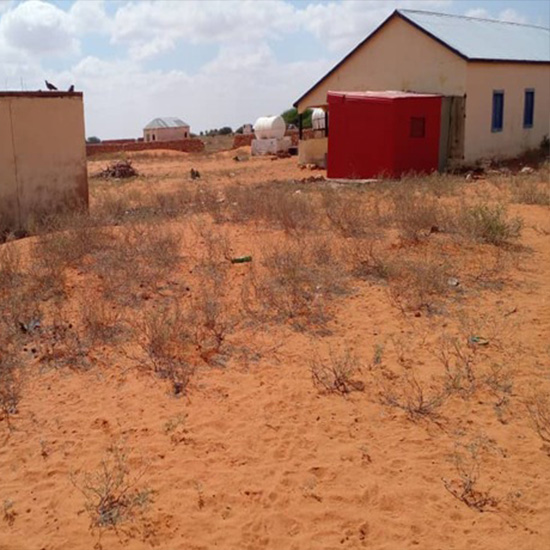
Appendix II Photos from the school before and after construction


Policy advocacy and capacity building
Advocate for environmentally friendly policies at local, national, and international levels. Build the capacity of government agencies, NGOs, and local communities to implement and enforce sustainable development practices
Green Infrastructure Development
Invest in projects that enhance green infrastructure, such as urban parks, green roofs, and sustainable transportation systems.Promote the integration of nature-based solutions in urban planning and development
Waste Management and Circular Economy
Implement waste reduction and recycling programs.
Advocate for policies that encourage the transition to a circular economy, minimize waste, and promote sustainable consumption